
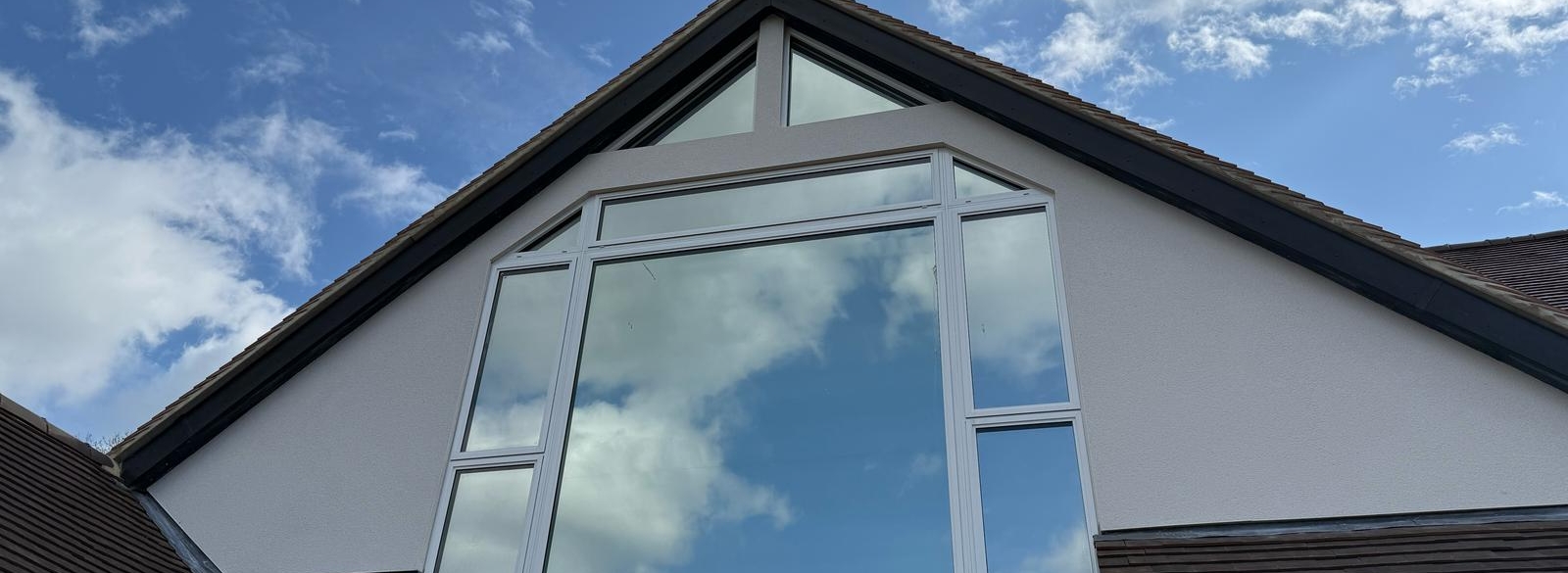
Window Film vs Blinds, Curtains and Net Curtains

When comparing the different ways to reduce glare and improve privacy, it can be difficult to know whether to install blinds, curtains or something more modern like window film. Both homes and workplaces experience similar issues: too much sun on screens, street-facing rooms feeling exposed, and windows that either leak heat in winter or let too much warmth in during summer.
The end goal is usually the same, too: more comfort and control, but the right solution depends on how you use the space and how much light you want to keep. At TS Window Films, we spend a lot of time talking to customers who have tried traditional options and still aren’t happy with the result. Sometimes they spend thousands on automated blinds, only to keep them half-closed to prevent UV damage or passersby from looking in.
Window film offers a different way to solve the same problems, often with less fuss, lower maintenance, and better long-term performance.
Common Ways to Tackle Glare and Privacy
Most people try the same options, each of which can help with glare or privacy, but come with trade-offs you only notice once you live or work with them every day.
Roller or Venetian Blinds
Blinds are popular because they’re easy to use and widely available. You can tilt slats or pull a roller blind down to block direct sunlight, and in offices, they are often installed as standard. The downside is that blinds gather dust quickly, the moving parts can break, and they are either up or down, which means you often end up sacrificing natural light to cut glare on screens. In commercial spaces, long runs of blinds can also look untidy if they’re left at different heights.
Curtains
Curtains are more common in homes, but are sometimes used in small offices or meeting rooms. They’re good for blocking light in bedrooms or media rooms and can add a softer, more homely feel to living spaces. However, they can be bulky, require regular cleaning to remove dust and allergens, and, when closed during the day, block almost all natural light. In a work environment, this can make spaces feel closed in and increase the need for artificial lighting.
Voile or Net Curtains
Net curtains and voiles are often chosen for front-facing rooms where people want privacy without losing too much light. They soften the view both ways and can stop passers-by from looking straight in. The problem is that they still collect dust, can discolour over time, and many think they look dated. They also offer very little heat control; the sun still streams through the glass, heating the room and causing furniture and flooring to fade.
How Does Window Film Compare?
Window film addresses the same issues in a different way by treating the glass itself rather than adding a layer of fabric or slats in front of it. There are several types of window film, all designed to tackle specific problems such as glare, heat, UV, privacy or security.
When we survey a property, we look at the orientation of the glass, how the room is used, and the main complaints, then recommend a film or combination of films to match.
Privacy and Light Levels
For privacy, one of the best options is frosted or obscure window film. This gives existing glass a satin, etched finish that lets in plenty of natural light while blocking direct views. It works well for bathrooms, street-level windows, offices that face walkways and internal meeting rooms where you want some separation without a solid wall. Since the film is on the glass, it keeps the space feeling open and airy in a way that curtains and blinds often can’t.
There are also one-way privacy films that create a reflective effect during the day, allowing you to see out but preventing people from seeing in. The mirror-like surface is especially useful for offices, receptions and residential properties in busy areas. They maintain excellent lighting levels while helping prevent the “goldfish bowl” feeling. With blinds or curtains, achieving the same level of privacy usually means giving up much more daylight.
Glare and Heat Control
Glare on screens is a common complaint in both homes and workplaces, particularly in south- and west-facing rooms. Traditional blinds can reduce glare, but they often need to be pulled down most of the way, leaving rooms feeling dark. Solar control window film is designed to absorb sunlight, blocking up to 99% of UV, while still keeping the space bright and airy. For people working on computers, this can have a huge impact without making the office dark.
Heat control is another area where window film stands out. Quality solar control films can shield rooms from the sun’s UV rays, helping keep them cooler in the summer and reducing reliance on air conditioning. They also prevent fabric from fading caused by exposure to direct sunlight. Blinds and curtains can shade a room, but the heat still comes through the glass and warms the air inside. With window film, we treat the source of the problem rather than just hiding it.
Cost, Maintenance and Longevity
When comparing costs, people are often surprised by how competitive window film can be compared to made-to-measure blinds or curtains, especially over the long term. An experienced window film installation is typically a one-off investment that comes with a 10 to 15-year guarantee and requires minimal ongoing maintenance. All you have to do is clean the glass as normal using non-abrasive products, and there are no cords, tracks, or fabrics to replace.
Blinds and curtains, on the other hand, often need repairs, professional cleaning or full replacement every few years, particularly in busy commercial environments. Net curtains and voiles also need regular washing to stay fresh, protect air quality and avoid allergy triggers, adding to maintenance tasks. Whereas window film installers can quickly replace your traditional coverings, and once it’s in place, it quietly does its job for many years.
The Versatility of Window Film
One of the main reasons window film is becoming increasingly popular for both residential and commercial properties is its versatility. In a single building, we can install different types of films for different needs:
- Frosted window films for meeting rooms, bathrooms and street-facing windows to increase privacy.
- Solar control window films for sun-exposed windows, bi-fold doors, conservatories, and skylights to cut glare and reduce heat buildup.
- Neutral or subtly tinted films in client-facing areas where aesthetics matter just as much as comfort.
- Security and safety window films for glazing to help meet regulations, deter break-ins, and reduce the risk of injury if glass breaks.
- UV control window films to protect furnishings, flooring, artwork and displays from fading in both homes and commercial spaces.
- Vinyl window films and manifestation films on office partitions and shopfronts to combine privacy, branding and wayfinding.
Since all films are applied directly to the glass, you can still add blinds or curtains for decorative purposes if you want to. For many of our commercial clients, window film helps prevent over-reliance on blinds, so they are used less often rather than being permanently closed. In homes, we often see people remove old net curtains completely once privacy film is installed, instantly modernising their living space.
Window film also works where traditional solutions are impractical. Large atrium glazing, high-level windows, conservatories, and glass partitions can all be difficult to treat with blinds or curtains, but can be easily improved with the right film. From an installer’s perspective, this flexibility means we can solve a wider range of problems without cluttering the space or adding expensive mechanical systems that need ongoing maintenance.
Welcome to TS Window Films
Choosing between window film, blinds, curtains and net curtains doesn’t have to be an either/or decision, but knowing the pros and cons makes the decision much easier. Window film offers an innovative way to improve privacy, safety, and security, reduce glare and heat transfer, and protect interiors, all while still allowing you to enjoy natural light.
At TS Window Films, we specialise in designing and installing a wide range of film options for both residential and commercial properties. Our highly skilled window film installers follow a meticulous preparation and installation process to ensure a flawless finish. We pride ourselves on customer satisfaction and invite you to read some of our reviews.
If you’re currently relying on blinds, curtains or net curtains, get in touch today to find out how window films can solve common problems. We cover the whole UK and will be happy to visit you to show you some samples and demonstrate how they work.